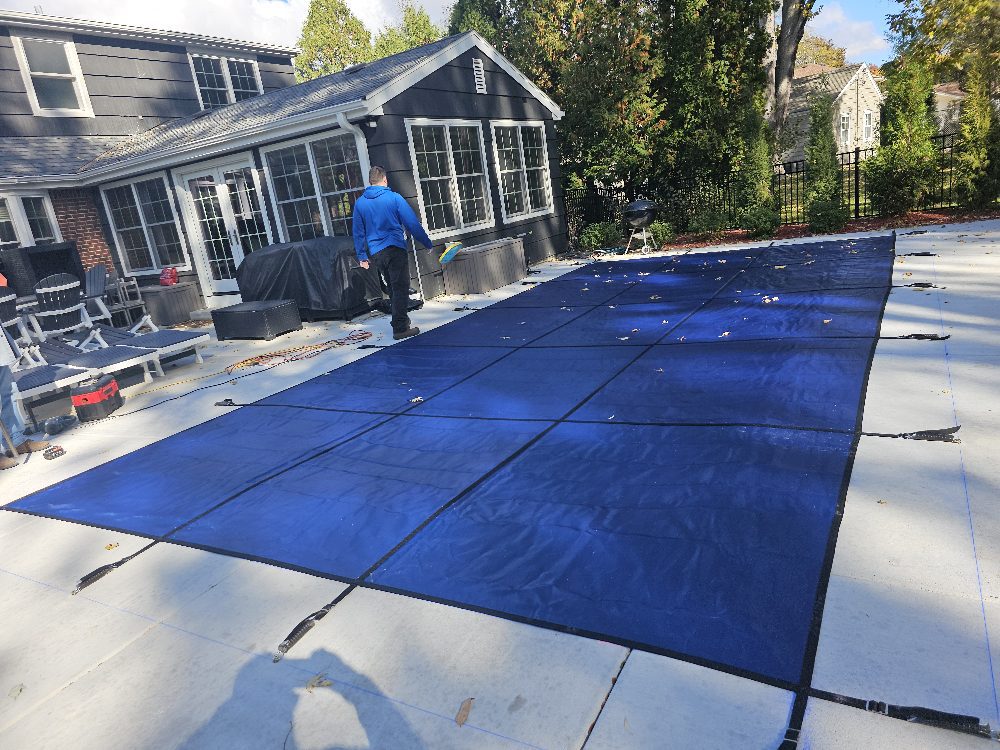
North Texas winters are far milder than what pool owners in colder states deal with, which leads many DFW homeowners to assume winterization isn't really necessary here. That assumption causes real problems every year, because even occasional freezes and the extended period of lower pool usage still require specific care to avoid equipment damage and water quality issues.
Why DFW's Mild Winters Still Require Preparation
Even though DFW rarely experiences the sustained deep freezes that require full pool shutdown elsewhere, the region does see periodic hard freezes throughout winter, and unprotected equipment and plumbing can be damaged even by a single overnight freeze event if proper precautions haven't been taken.
Protecting Equipment From Freeze Damage
Pumps, filters, and plumbing lines can crack if water inside them freezes and expands, and this risk exists any time temperatures drop low enough overnight, even briefly. Proper preparation for a freeze event typically involves running equipment during freezing temperatures to keep water moving, or ensuring proper drainage and protection of equipment that isn't actively circulating.
Balancing Water Chemistry for the Off-Season
Even during lower-use winter months, pool water still needs periodic monitoring and balancing. Without regular circulation and typical summer sanitizer demand, water chemistry can shift in ways homeowners don't expect, sometimes leading to algae growth even during cooler months if conditions allow, or scale formation if calcium and pH balance aren't monitored.
Reduced Circulation Doesn't Mean No Circulation
Some homeowners assume pool equipment can simply be turned off entirely for the winter in a mild climate like DFW's. In reality, reduced circulation, rather than complete shutdown, is usually the better approach, since some water movement helps prevent stagnation, algae growth, and the buildup of debris that becomes a bigger problem to address once swim season returns.
Preparing for Debris and Weather Through Winter
Winter storms and cold fronts can bring significant debris into a pool even during the off-season, and leaves, dirt, and other organic material accumulating over winter months creates its own set of problems if not addressed periodically rather than left until spring.
What This Sets Up for Spring
A properly winterized pool, monitored through the cooler months rather than completely ignored, comes into spring in far better condition than one left unattended for several months. This typically means less intensive spring startup work, fewer equipment surprises, and a faster, easier transition back into regular swim season use.
Why Skipping This Step Costs More Later
Homeowners who skip winter preparation entirely, assuming DFW's mild climate makes it unnecessary, often find themselves dealing with cracked equipment, extensive algae cleanup, or unexpected repair costs come spring that proper winter attention would have prevented.
The team at Bluewater Pool Care helps DFW homeowners navigate the specific winterization needs of our regional climate, protecting equipment and water quality through the cooler months so spring startup is smooth rather than a scramble.

Want your pool properly prepared for winter? Reach out to Bluewater Pool Care before the next freeze.