A lot of DFW homeowners sign up for weekly pool service without a clear picture of what actually happens during each visit. The pool looks clean when you get home, there's a service report in your inbox — but what did the technician actually do for the hour they were there? What gets checked, what gets adjusted, and what gets reported?
Understanding what a thorough weekly pool service visit covers helps you evaluate whether your current service is actually delivering what it should — and gives you a clear picture of the value you're getting when it is.
The first visit with a new pool service provider should cover more ground than a standard weekly visit. Before establishing a regular maintenance routine, a professional technician needs to understand your pool's current condition, equipment setup, and chemistry baseline.
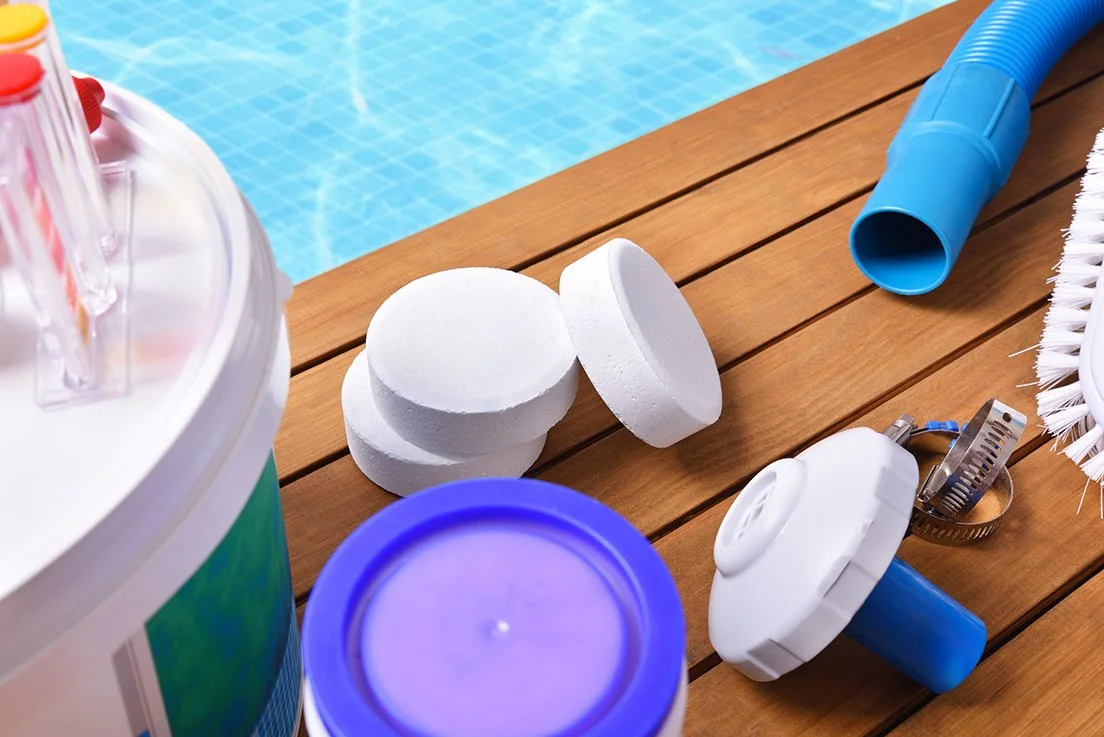
A thorough first visit includes a complete water chemistry assessment covering all key parameters — free chlorine, pH, total alkalinity, CYA, calcium hardness, and phosphates. Every piece of equipment gets a full inspection — pump condition, filter pressure and type, heater status, automation system if present, and all visible plumbing. The pool is fully brushed, vacuumed, and skimmed. Baskets are cleared. Chemistry is adjusted to bring all parameters into correct range.
The first service report documents the starting condition of your pool — what the chemistry looked like, what equipment observations were made, and what work was done. This baseline becomes the reference point for every visit that follows.
Once the baseline is established, every weekly visit follows a consistent checklist that covers the same ground every time — because consistency is what keeps a DFW pool in good condition through a demanding year-round operating environment.
Water chemistry testing — Every visit starts with a complete water chemistry test. Free chlorine, pH, and total alkalinity are tested on every visit. CYA and calcium hardness are tested monthly. Phosphates are tested monthly or after heavy rainfall or debris events. Chemistry readings from each visit are recorded and tracked over time — allowing the technician to identify trends and catch parameters that are drifting before they reach problematic levels.
Chemical adjustments — Based on test results, chemistry is adjusted to bring all parameters into correct range. Chlorine is adjusted to maintain 1 to 3 ppm. pH is corrected if it has drifted above 7.6 or below 7.2. Alkalinity is adjusted if it has moved outside the 80 to 120 ppm target range. Shock is applied after adjustment when chloramine levels are elevated or as part of a preventive schedule during peak summer months.
Skimming — The surface is thoroughly skimmed to remove floating debris before it sinks and begins decomposing. In DFW where wind-blown debris and seasonal pollen are consistent, surface skimming removes organic material that would otherwise consume chlorine and drive phosphate levels up between visits.
Brushing — Every surface gets brushed — walls, steps, benches, ledges, and the pool floor. Brushing disrupts early-stage algae growth on surfaces before it becomes visible in the water, loosens calcium scale deposits before they harden, and moves debris toward the main drain for collection. This step gets skipped more often than any other in inconsistent pool service — and its absence shows up within weeks in DFW's climate.
Vacuuming — The pool floor is vacuumed after brushing to remove settled debris, fine sediment, and any material dislodged during brushing. Thorough vacuuming keeps the pool floor clean and reduces the organic load that consumes chlorine between visits.
Basket cleaning — Skimmer baskets and pump baskets are emptied and cleared of debris. Clean baskets maintain proper flow through the system and protect the pump from running against restricted suction — one of the most common causes of unnecessary pump motor stress.
Equipment inspection — Pump operation is checked — listening for unusual sounds, checking for moisture around the housing, verifying normal flow. Filter pressure is noted and compared to baseline. Heater status is checked. Visible plumbing is scanned for moisture or dripping at connections. Any observations that need attention are flagged in the service report.
Service report — After every visit, a detailed service report is generated documenting current water chemistry readings, work completed, equipment observations, and any recommendations for follow-up. This report is your window into what happened with your pool on every service day — regardless of whether you were home.
Once a month the standard weekly visit includes additional testing and treatment that goes beyond the weekly routine.
CYA is tested to track the trend over time and flag any climb toward the threshold where chlorine effectiveness is compromised. Calcium hardness is tested to monitor the progression of hard water concentration and determine when scale inhibitor application or a partial drain may be needed. Phosphates are tested and treated if elevated to remove algae's food source before it contributes to a bloom. Filter deep cleaning is scheduled based on pressure trends rather than a fixed calendar — cleaning when the filter needs it rather than on an arbitrary schedule.
A weekly pool service visit is not someone spending five minutes skimming the surface and leaving. It's not adding a chlorine tablet and calling it done. And it's not showing up every other week when it's convenient.
A genuine weekly service visit takes 45 minutes to an hour when done correctly — covering every item in this guide on a consistent weekly schedule without shortcuts. The difference between a pool under real professional service and one that's nominally being serviced shows up clearly in water quality, equipment condition, and the absence of the algae blooms and chemistry crises that plague pools where service is inconsistent.
At Bluewater Pool Care every weekly service visit follows this complete checklist — water chemistry testing and adjustment, skimming, brushing, vacuuming, basket cleaning, equipment inspection, and a detailed service report after every single visit. Every week. On schedule.

Get a Free Estimate — this is what your pool deserves every week.