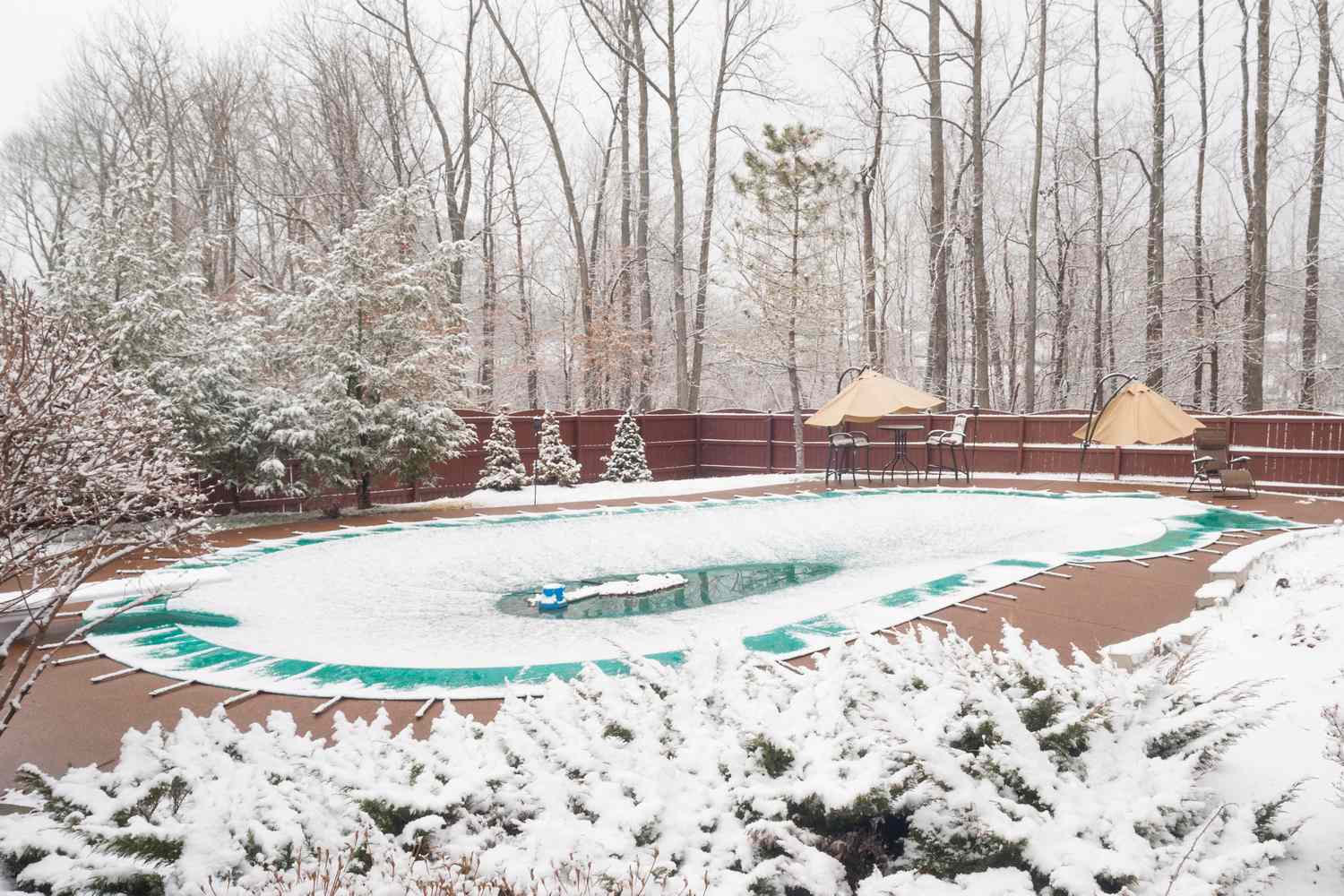
As temperatures drop, preparing your pool for winter becomes essential. Many homeowners search how to close your pool for winter because skipping this step can lead to costly damage and difficult reopening in the spring.
Closing your pool properly helps protect your investment and makes your next pool season much easier.
Winterizing your pool helps:
Taking the time to do it right saves time and money later.
The best time to close your pool is when temperatures consistently drop below warm-season levels.
Closing too early can lead to:
Closing at the right time helps keep your pool stable during winter.
Before closing your pool, start with a full cleaning.
Make sure to:
Leaving debris behind can lead to staining and algae.
Proper chemical balance helps protect your water over the winter.
Adjust:
Balanced water prevents damage and keeps your pool in better condition.
Shocking your pool before closing helps eliminate contaminants.
This helps:
Lowering your pool’s water level helps protect your system.
This is important for:
Water left in your system can freeze and cause damage.
Make sure to:
This step is critical in colder climates.
Before shutting everything down, complete a full pool filter cleaning.
This helps:
Winterizing chemicals help maintain water quality while your pool is closed.
These may include:
They help prevent issues during the off-season.
A proper pool cover protects your pool from debris and weather.
A good cover:
Make sure it’s secured properly.
When learning how to close your pool for winter, avoid:
These can lead to bigger problems when reopening.
Improper closing can result in:
Proper preparation helps avoid these issues.
Depending on your pool, closing can take:
Taking your time ensures everything is done correctly.
A well-closed pool:
It sets you up for a smoother start next season.
Closing your pool can be detailed and time-consuming.
With weekly pool service, your pool is:
This ensures nothing is overlooked.

Closing your pool for winter is one of the most important steps in protecting your pool and equipment. With proper preparation, balanced water, and reliable service, your pool can stay in great condition all season long. Bluewater Pool Care helps ensure your pool is protected so you can avoid unnecessary repairs and stress.