If your pool water feels uncomfortable, looks cloudy, or your chemicals never seem to stay balanced, high pH levels could be the issue. Many homeowners search how to lower pool pH levels when they notice something just isn’t right with their water.
The good news is that high pH is a common problem—and it’s fixable with the right approach.
pH measures how acidic or basic your pool water is. For a pool to stay clean and safe, your pH needs to stay within the proper range.
When your pH is too high:
Keeping your pH balanced is essential for overall pool health.
Understanding what causes high pH can help you prevent it from happening again.
Common causes include:
Even environmental factors like rain and heat can affect your pool’s pH levels.
Not sure if your pH is the problem? Here are some common signs:
If you notice these, it’s time to lower your pH levels.
If you’re wondering how to lower pool pH levels, there are a few simple steps you can take.
Start by testing your pool water to confirm that pH levels are too high.
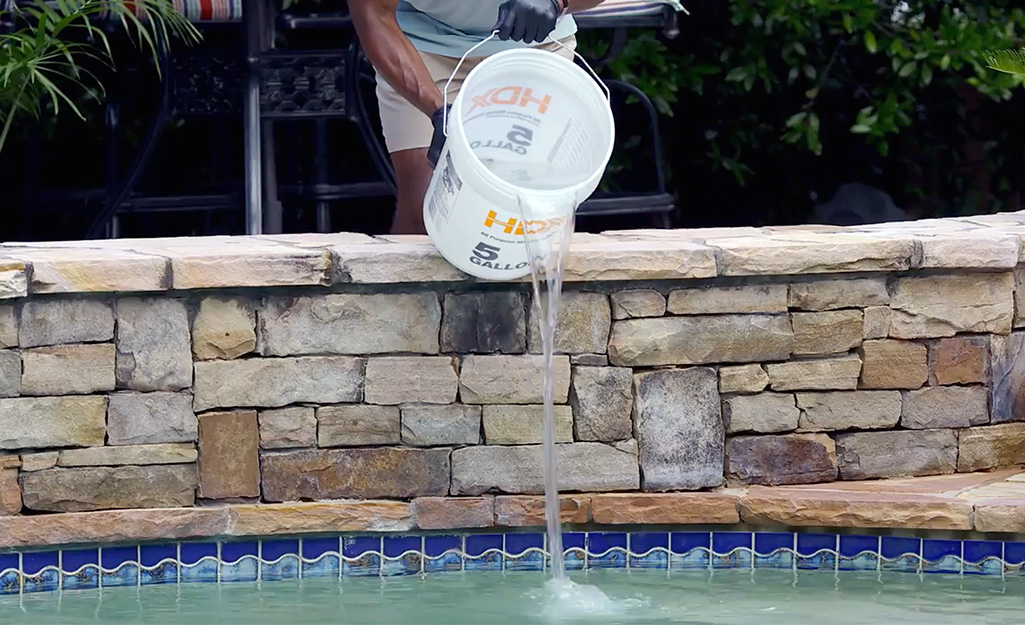
Use a pH reducer, such as muriatic acid or sodium bisulfate, to bring levels down gradually.
Run your pool pump to distribute the chemicals evenly throughout the pool.
After adding chemicals, test your water again and make small adjustments if needed.
Lowering pH should always be done gradually to avoid overcorrecting.
One of the most common mistakes homeowners make is adding too much acid at once.
This can cause:
Making small, controlled changes is the best way to maintain stability.
Once your pH is back to normal, the goal is to keep it there.
To maintain proper levels:
Consistency is key to preventing future issues.
Your filter and circulation system play a big role in maintaining balanced water.
Regular pool filter cleaning helps:
Without proper circulation, your pH levels can become uneven and harder to manage.
Managing pool chemistry can be tricky, especially if you’re doing it on your own.
With weekly pool service, your pool is:
This helps prevent pH issues before they become a problem.

Keeping your pool pH balanced doesn’t have to be complicated. With consistent maintenance, proper adjustments, and reliable service, your pool can stay clear and comfortable. Bluewater Pool Care helps take the guesswork out of pool chemistry so you can enjoy your pool without the hassle.