If your pool water is starting to look cloudy or your system isn’t running as efficiently, your filter might be the issue. Many homeowners search how to backwash a pool filter when they notice reduced water flow or rising pressure.
Backwashing is a simple but important part of pool maintenance—and doing it correctly helps keep your system working properly.
Backwashing is the process of reversing the flow of water through your filter to flush out trapped dirt and debris.
Instead of filtering water normally, backwashing:
This process is essential for maintaining good circulation and clean water.
Not all pool filters require backwashing.
Backwashing is typically used for:
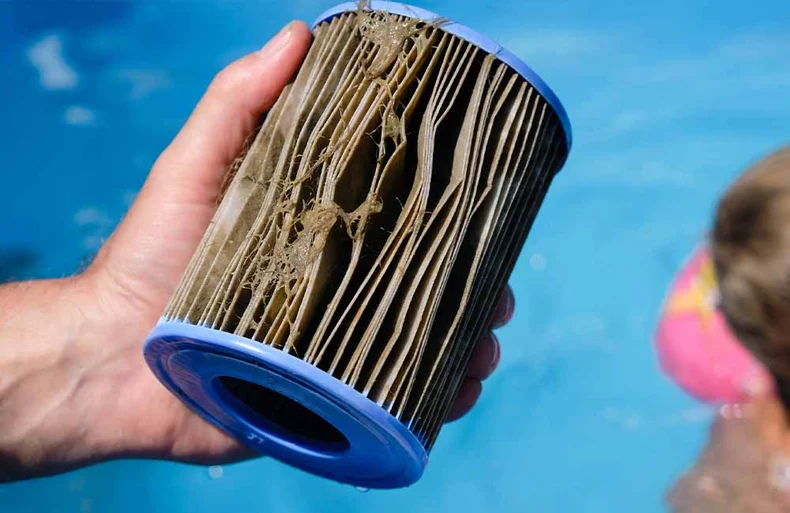
If you have a cartridge filter, it will need to be removed and cleaned instead of backwashed.
Not sure when to backwash your filter? Your pool will usually show signs.
Look for:
If you notice these, it’s time to backwash your pool filter.
If you’re wondering how to backwash a pool filter, follow these simple steps:
Always shut off your system before making any adjustments.
Move the multiport valve to the backwash setting.
Run the pump for about 1–2 minutes, or until the water in the sight glass runs clear.
Shut off the system before moving to the next step.
Switch the valve to rinse and run the pump for 30–60 seconds to settle the filter.
Turn off the pump, switch back to filter mode, and restart your system.
This process helps restore proper filtration and water flow.
Backwashing frequency depends on your pool’s condition and usage.
In general:
Knowing when to backwash is just as important as knowing how.
When learning how to backwash a pool filter, avoid these mistakes:
These mistakes can reduce your system’s performance.
While backwashing helps remove debris, it doesn’t replace deep cleaning.
Over time, buildup can still accumulate inside your filter.
That’s why regular pool filter cleaning is still necessary to:
Backwashing is just one part of keeping your pool clean.
For best results, combine it with:
All of these work together to keep your pool clear and efficient.
It’s easy to forget when your filter needs attention.
With weekly pool service, your system is:
This helps prevent issues before they affect your pool.

Backwashing your pool filter is an important step in keeping your water clean and your system running smoothly. With proper maintenance, regular cleaning, and reliable service, your pool can stay clear and efficient. Bluewater Pool Care helps take care of the details so you can enjoy your pool without the hassle.